The programming of Fuori Programma Festival and that of Dominio Pubblico's participatory under-25 artistic direction meet on the same stage, in support of emerging choreography: Ingresso Libero by Alice D’Urso, Lupo di mare by Emilia Quiñones, Muga by Francesco Paolino. Three authorial perspectives, three poetic works that tell us something about tomorrow, in the commitment to support the freshness of the new generations' languages.
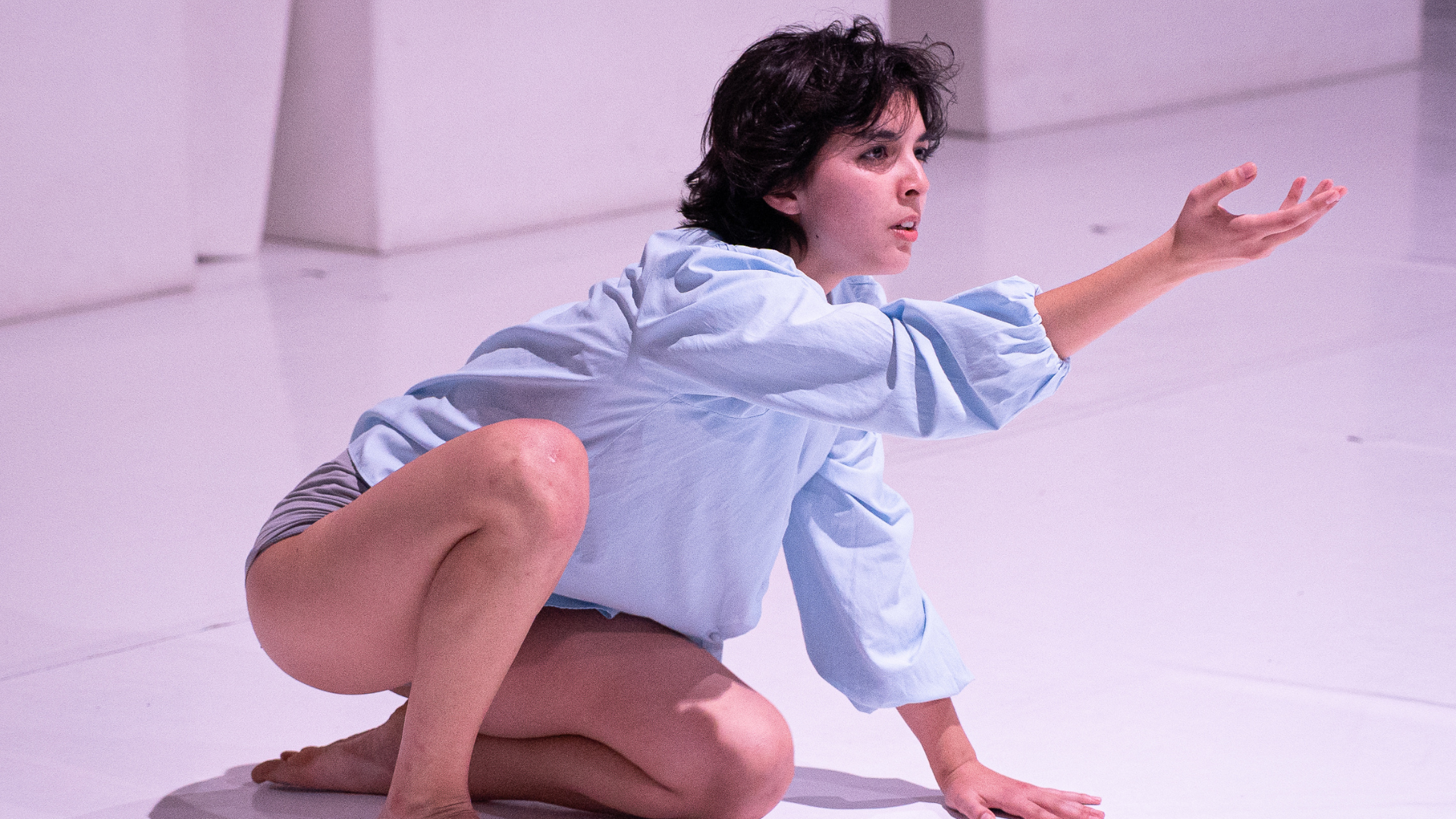
LUPO DI MARE
Concept, choreography and performance by Emilia Quiñones
Sound design Anouschka Trocker
Drawing inspiration from the evocative image of the sea wolf from Giuseppe Ungaretti's poem “Allegria di naurfragi,” that is, one who survives and immediately resumes the journey after the shipwreck, the performance is a physical exploration of resistance, of the act of moving forward in extreme conditions. The open sea becomes a metaphor for states of radical uncertainty and transformation. At the center is the body as a place of experience and imprint: how do crises manifest in movement? Where are the thresholds between stability and loss of control, between resistance and surrender? “Allegria di naufragi” thus unfolds a layered and embodied reflection on survival – as a continuous process of finding oneself, losing ground, and moving forward.
+
FREE ENTRY
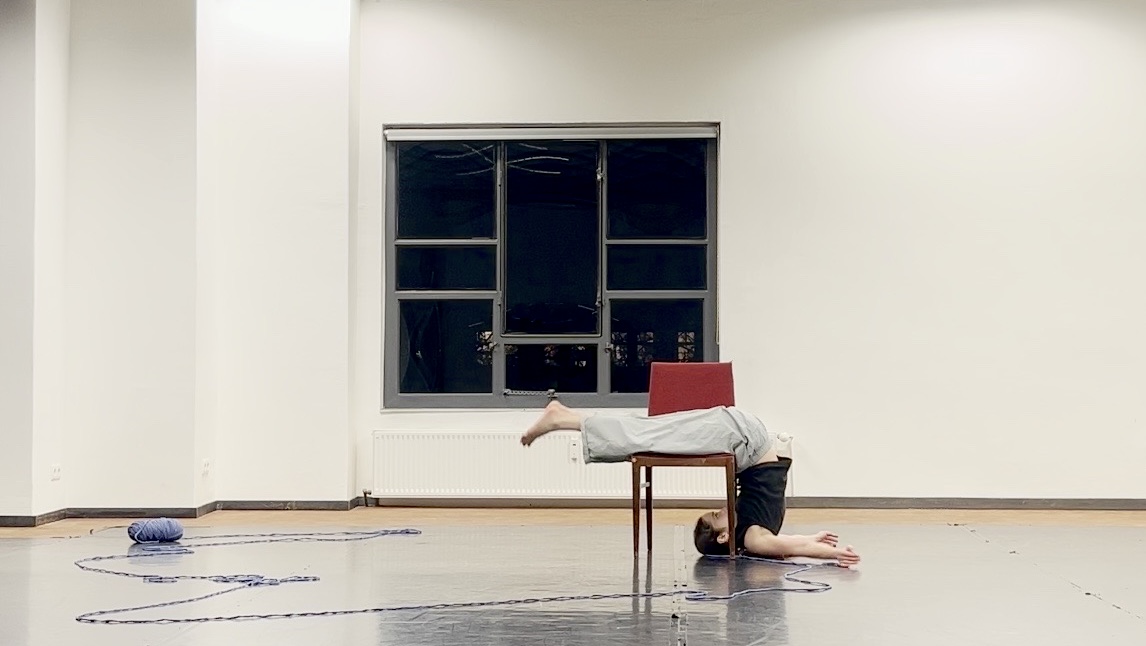
By and with Alice D’Urso
Text excerpted from the book Nostalgia by Milan Kundera
Thanks to Scenario Pubblico for the hospitality
The most difficult choices are also the most honest. Letting yourself be moved by your own instinct, and not by someone else's thoughts. Moving forward does not mean forgetting the past, your roots, but strengthening them, making them stronger. I wish you an ever bluer sky and a helping hand that guides and accompanies you along your path.
+
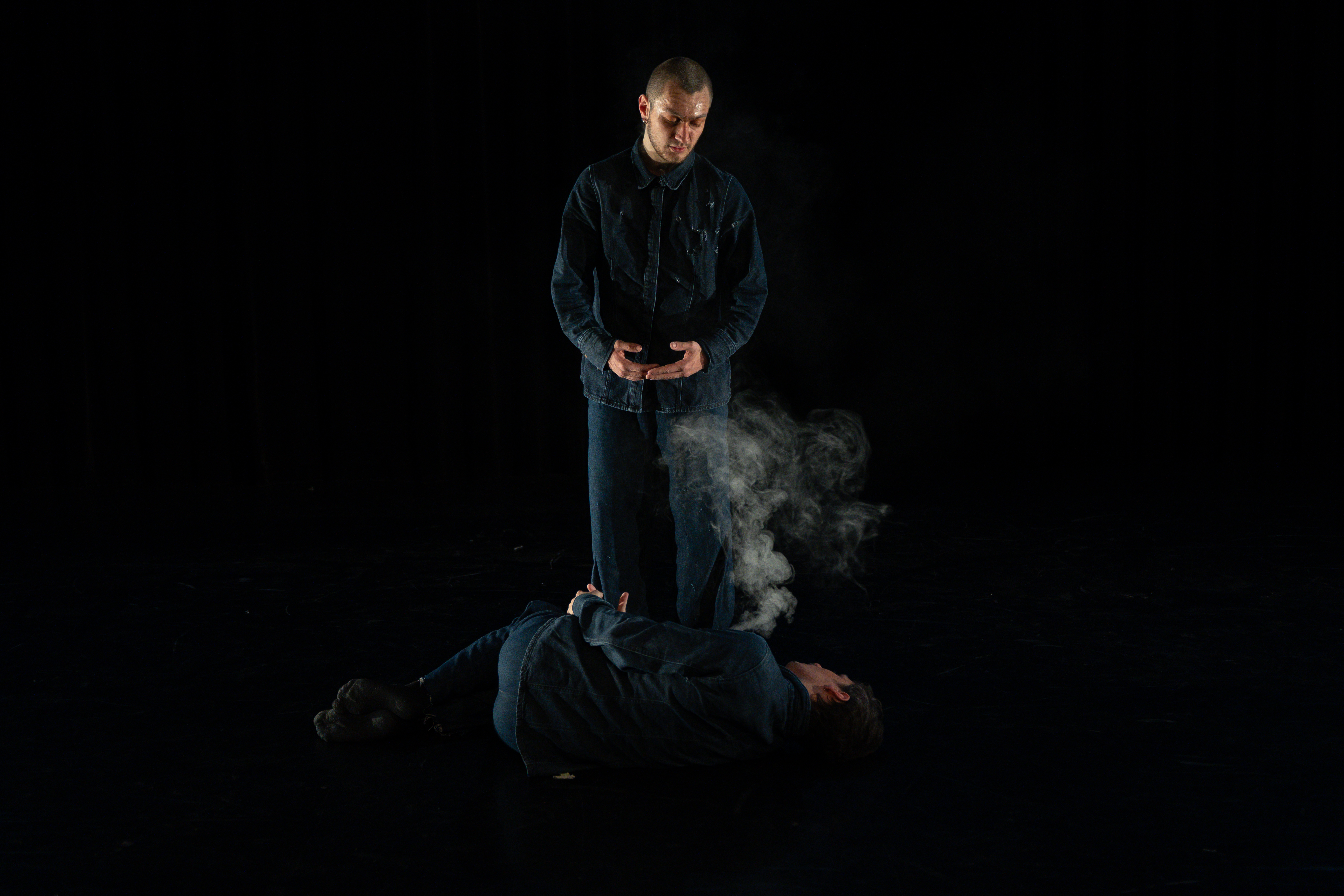
MUGA
Choreography and concept by Francesco Paolino
Choreography assistant Rebecca Fabbri
With Tom Blanc, Francesco Paolino
Muga is a choreographic meditation: an invitation to recognize that fertile void from which a more conscious form of existence can emerge. The term derives from Japanese philosophy which indicates a state of void in which the self dissolves, freeing itself from attachments, expectations, and desires. The performance unfolds as the journey of two bodies trapped in a system that transforms existence into production, consumption, and performance, perfectly synchronized gears devoid of emotional depth. In a suspended and almost apocalyptic landscape, their movements repeat like mechanical rituals, until one of the two bodies loses precision and the system cracks. From the error emerge fragility, doubts, and awareness. It is the beginning of a process of awakening: a slow return to presence, to listening.